
Reduce Hiring Time with AI: The Blueprint for Velocity Recruiting

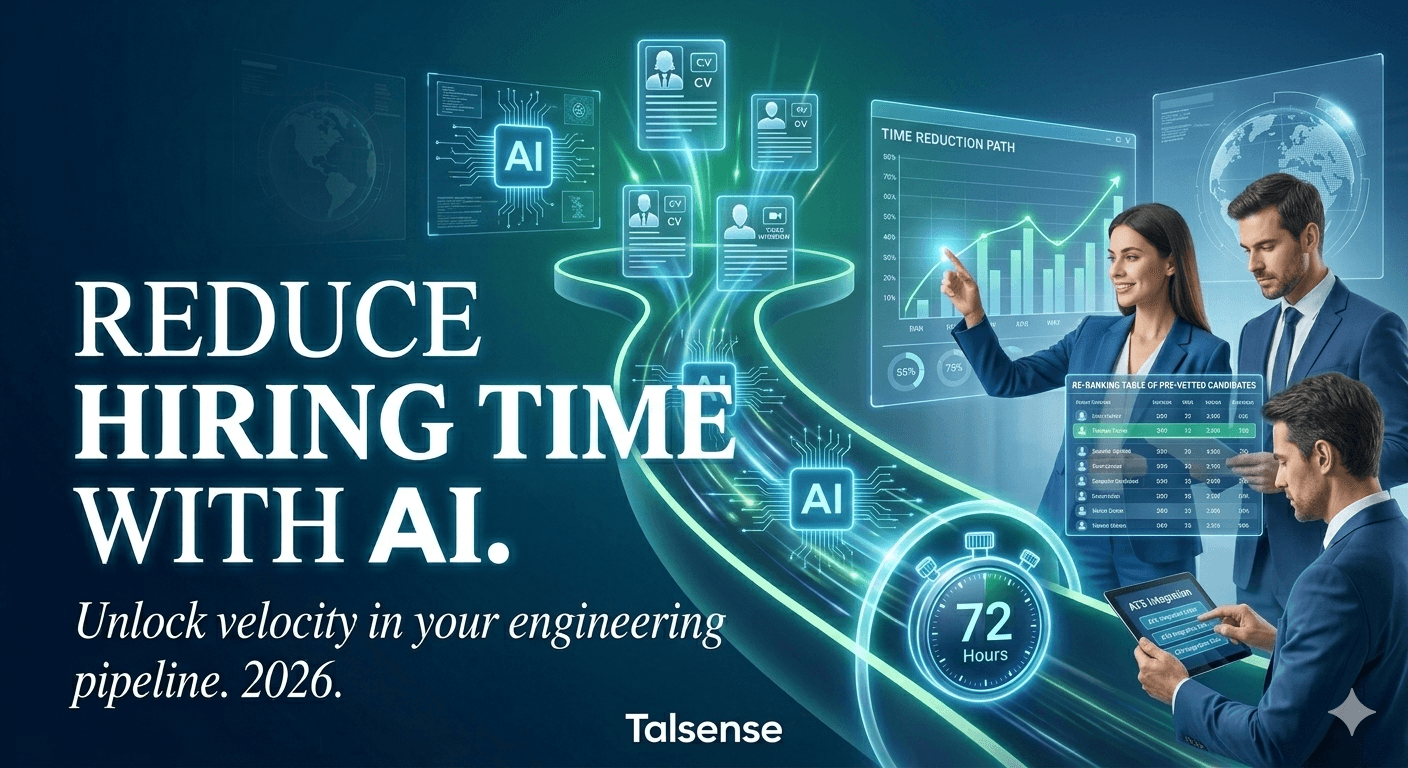
To reduce hiring time with AI, modern talent acquisition teams must replace manual resume sorting and fragmented interview scheduling with automated cloud-native pipelines that evaluate applicants instantly. By processing massive volumes of incoming documentation, generating context-aware candidate rankings, and deploying instant asynchronous video screens, intelligence-driven recruitment workflows eliminate top-of-funnel operational friction. Ultimately, deploying smart algorithms allows human resource departments to compress time-to-hire substantially while maintaining candidate quality and reducing overall human capital expenditure.
Why Extended Recruitment Pipelines Damage Corporate Growth?
In modern recruitment, speed is a competitive edge. When a company's hiring lifecycle drags over several weeks, the consequences impact the entire operational blueprint. Manual resume vetting, back-and-forth email scheduling, and basic phone screening consume countless human resource hours. Meanwhile, high-performing applicants rapidly lose interest, opting instead for agile enterprises that move candidates from initial contact to definitive formal offers in record time. Transitioning away from slow, manual systems lets companies address critical pipeline leaks:
• Candidate Drop-off Mitigation: Top-tier professionals rarely remain available in open markets for more than ten consecutive business days. Velocity screening keeps them engaged before competitor workflows capture them.
• Substantial Overhead Reductions: Minimizing the hours your management teams spend reviewing entry-level applications translates directly into major technical savings.
• Predictable Human Capital Ingestion: Automated data collection helps business leadership project precise project launch dates with reliable talent acquisition timelines.
The Talsense Engine: Dual-Stage Scoring to Maximize Velocity
Standard industry methodologies often attempt to compress hiring timelines by employing blunt keyword matching filters that inadvertently eliminate excellent talent. Talsense eliminates this operational risk by deploying an intelligent dual-stage framework that scores candidates accurately in a fraction of the time.
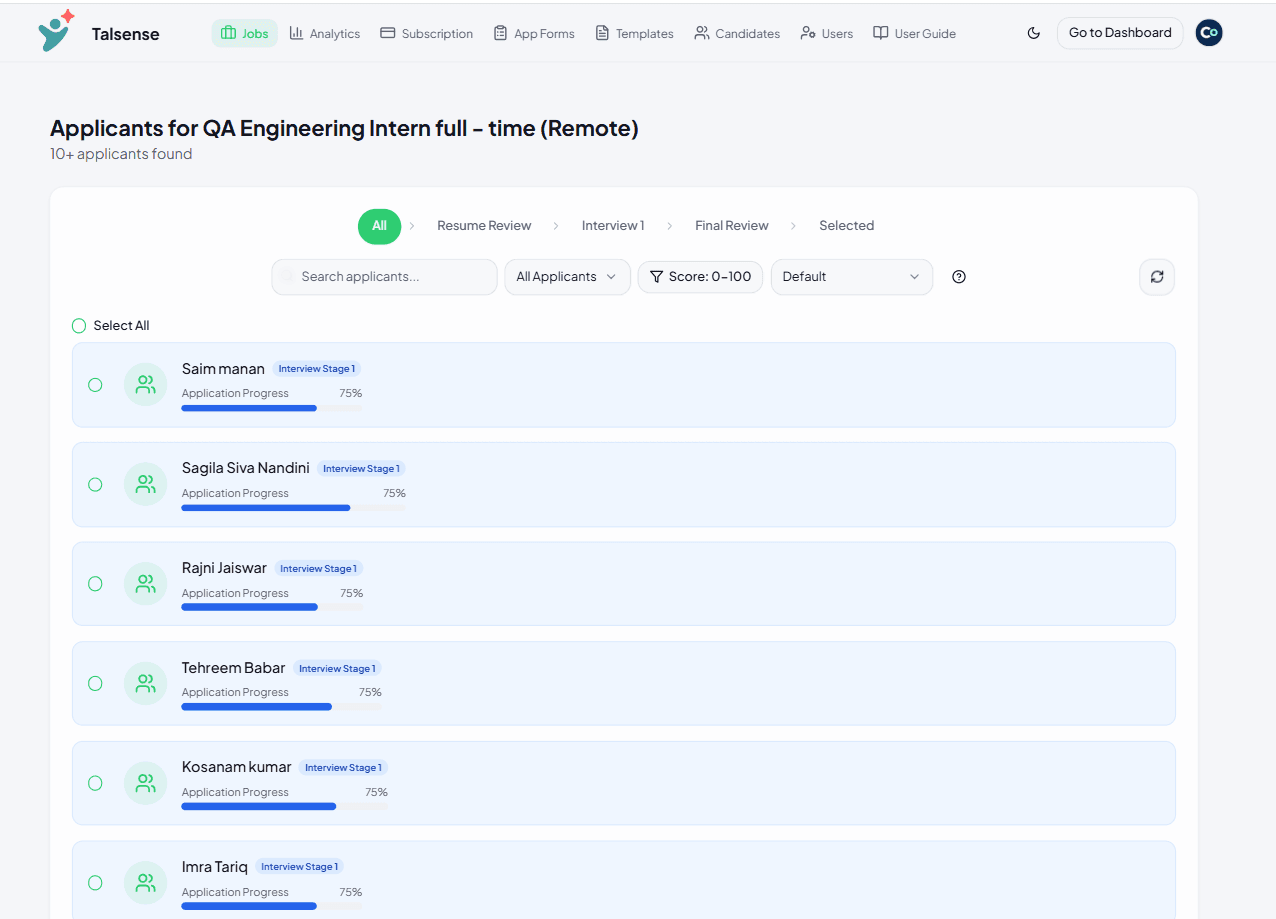
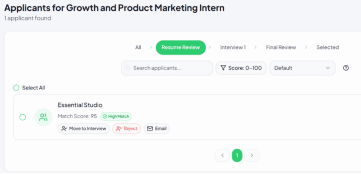
1. Instant Automated CV Scoring The moment an individual uploads their resume, Talsense executes complex semantic parsing. Instead of scanning for simple word occurrences, the algorithm analyzes historical project scopes, domain depth, and title progression. The system automatically elevates the strongest candidates to the top tier of your recruitment portal within seconds.
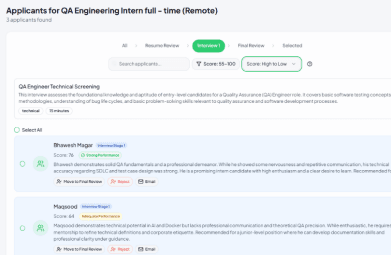
2. Asynchronous Video Interview Validation Rather than wasting days trying to coordinate open calendar slots for phone screens, the platform triggers an automated invite for an asynchronous video session as soon as a candidate passes the CV text threshold. Talsense scores verbal mechanics, behavioral methodologies, and role-specific competence automatically, compiling clear data matrices for your team to scan immediately.
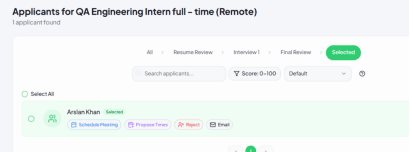
Talsense Velocity Pipeline: CV Submission ➔Real-time Cognitive Text Scoring ➔Automated Video Interview Verification ➔Executive Hiring Matrix Ready
Strategic Execution Pillars to Streamline the Screening Funnel
If your organization aims to significantly optimize its talent ingestion workflows, ensuring your core technology architecture addresses modern screening security and technical scale is essential.
1. Advanced Automated Anti-Cheat Protocols
With candidates increasingly utilizing personal text generation tools during application cycles, human resource platforms must integrate modern security measures. Talsense utilizes tab-locking mechanisms, facial presence verification, and conversational audio analysis to guarantee that candidate performance evaluations remain fully authentic.
2. Deep Non-Linear Competency Models
The screening intelligence must understand complex software engineering architectures, financial frameworks, and structural product methodologies. This ensures it looks beyond plain keyword variations to appreciate real foundational professional capacity.
3. Native Core Platform Connectors
An enterprise assessment tool must communicate cleanly with your baseline applicant database and communication networks. You can evaluate the core data transfer capabilities of our framework by checking out our integrations network.
Implementing High-Velocity Sourcing Frameworks Safely
Transitioning your corporate operation toward an automated structure requires zero structural disruption. HR professionals can safely deploy systemic automation across three clear operational phases:
1. Establish the Machine Learning Persona: Input your corporate performance standards, target engineering proficiencies, and organizational culture benchmarks directly into the software engine.
2. Run the Pipeline: Let the platform handle heavy resume parsing, automatically coordinate asynchronous video triggers, and compile final grading lists.
3. Execute the Final Human Selection: Sourcing managers dedicate focus exclusively to high-value final stage conversations, using data logs to make lightning-fast hiring decisions.
Strategic Scale Calibration: Choosing the right cloud setup depends on your company's seasonal hiringpatterns. Explore our flexible pricing models to configure an automated setup that fits your operational needs perfectly.
The Future of High_Velocity Ingestion
Scaling a modern enterprise requires removing administrative bottlenecks from human resource departments. By centering your digital transformation strategy around specialized AI video interview software like Talsense, your organization can successfully remove resume screening friction, prevent candidate fraud, and build a scalable, highly optimized engineering pipeline.
Keep exploring Talsense: automate the first pass with AI resume screening, run autonomous AI interviews, and see how recruiting automation compresses time-to-hire. Compare plans on our pricing page.